

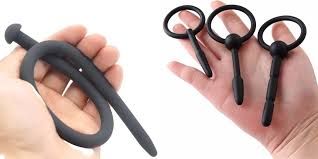
These rods are precision-crafted tools designed for urethral insertion, commonly used for medical dilation or advanced personal exploration. Because they interact with sensitive anatomy, material quality, smooth finishing, and correct sizing are absolutely essential. When selected and used responsibly, sounding rods can offer a controlled and gradual experience focused on precision and safety.
These instruments are typically made from surgical-grade stainless steel due to its non-porous surface, durability, and ease of sterilization. Stainless steel provides a smooth glide and firm structure, allowing controlled insertion without bending or flexing. Some designs may also be available in silicone for those who prefer more flexibility, though steel remains the most common choice for reliability and hygiene.
Types of Sounding Rods
There are several common styles, each created for specific sensations and skill levels:
- Straight rods: Uniform thickness for consistent insertion depth
- Curved rods: Designed to follow natural anatomical contours
- Double-ended rods: Different diameters on each end for gradual progression
- Hegar style dilators: Smooth, incremental sizing for controlled training
Beginners should always start with the smallest diameter available and gradually increase size only after becoming fully comfortable. Rushing into larger widths can cause irritation or injury.
Material And Finish Matter
Because sounding rods are inserted internally, the finish must be flawless. Look for:
- Seamless, polished surfaces
- Rounded tips for smoother entry
- Clearly labeled diameter measurements
- Medical-grade stainless steel construction
Avoid products with visible seams, rough edges, or unclear sizing details. High-quality manufacturing significantly reduces risk and improves overall control.
Safety First Approach
Urethral play requires patience, hygiene, and proper preparation. Before use:
- Sterilize the rod thoroughly with appropriate cleaning methods.
- Wash your hands carefully.
- Use a sterile, water-based lubricant designed for urethral use.
- Relax fully and insert slowly without force.
If discomfort, sharp pain, or resistance occurs, stop immediately. Never force insertion. Sounding should always be slow, deliberate, and controlled.
Hygiene And Maintenance
After each use, clean the rod thoroughly with antibacterial soap and warm water, or follow recommended sterilization procedures for stainless steel. Allow it to dry completely before storing in a clean, lint-free pouch or medical storage case.
Proper storage prevents contamination and protects the polished finish. Because stainless steel is non-porous, it can last for many years with correct maintenance.
Experience And Responsibility
These rods are considered an advanced practice and should only be approached with education and care. Gradual progression, high-quality materials, and strict hygiene standards are non-negotiable. When handled responsibly, these tools offer a precise and controlled experience focused on safety and anatomical awareness. Patience and knowledge are the foundation of a safe and confident approach.
