

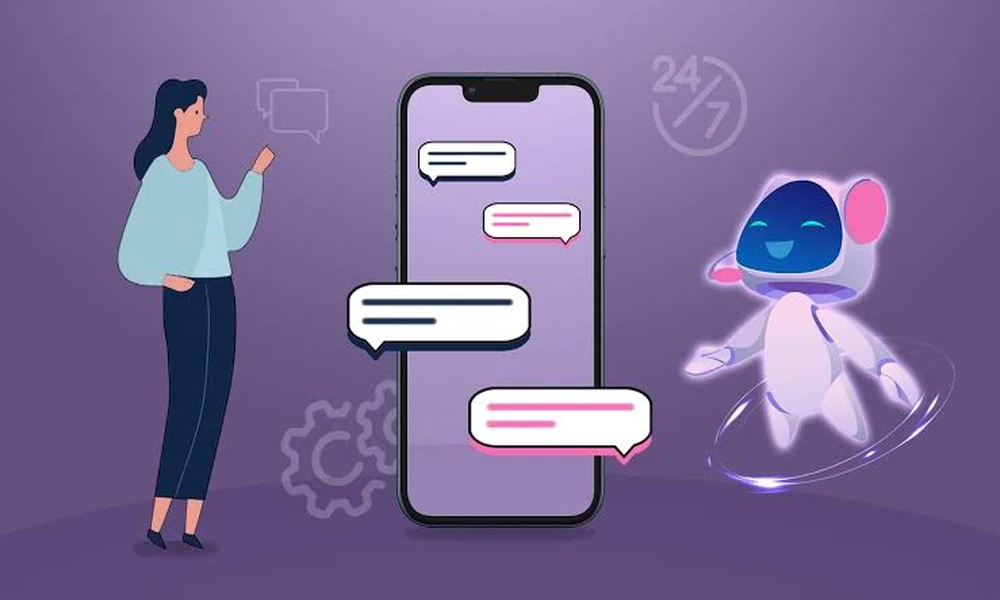
AI chatbots support a wide range of dialogue styles, from soft and romantic to explicit, dominant, playful, or highly descriptive. Unlike standard chatbots that restrict adult language, NSFW AI chatbot is built to adapt tone, vocabulary, and intensity according to user direction. This flexibility makes them useful for varied roleplay and conversational preferences.
This FAQ guide explains how dialogue style control works, what options are commonly available, and how users can guide the chatbot effectively.
Style Flexibility and User Control
Q: Can an NSFW AI chatbot switch between different speaking styles?
A: Yes. Users can request changes in tone, formality, explicitness, or personality mid-conversation. Common styles include gentle and affectionate, direct and vulgar, dominant or submissive, teasing and playful, or clinical and detailed. Well-tuned models adjust word choice, sentence rhythm, and level of physical description to match the requested style.
Q: How do users set or change the dialogue style?
A: The most reliable method is clear instruction at the start or during the chat. Examples include “speak in a soft, romantic tone,” “use raw and explicit language,” or “stay dominant and commanding.” Some platforms also offer preset personality sliders, character cards, or style templates that lock in a preferred voice across the session.
Q: Do these chatbots maintain the chosen style consistently?
A: Consistency is generally good within a single session when the style is reinforced. Longer conversations may require occasional reminders if the model begins to drift. Systems with stronger memory or custom character definitions hold style more reliably than basic ones.
Range of Supported Styles
Q: What dialogue styles work particularly well with NSFW chatbots?
A: Erotic roleplay benefits from styles that emphasize sensory detail, emotional intensity, or power dynamics. Romantic and intimate tones support slower-burn scenes. Crude or filthy language suits users who prefer unfiltered explicitness. Narrative or descriptive styles help when the chatbot is asked to write longer passages rather than pure back-and-forth dialogue.
Q: Can the chatbot handle subtle or mixed styles?
A: Many can. Users often combine elements-for example, affectionate language with explicit physical description, or a polite surface tone that turns commanding. Advanced models respond well to layered instructions, though extremely complex or contradictory requests can reduce coherence.
Q: Are there styles that perform less reliably?
A: Highly literary, poetic, or extremely restrained styles sometimes receive less emphasis in models optimized for direct adult interaction. Very long monologues or rapid style shifts within a few turns can also challenge consistency. Testing and refining prompts usually improves results.
Practical Tips for Better Results
Q: What techniques help lock in a preferred dialogue style?
A: State the desired style clearly and early. Provide a short example of the tone you want. Reinforce it after major scene changes. Using consistent character names, relationship dynamics, and intensity levels further stabilizes the output. Negative instructions (“avoid clinical language” or “do not summarize”) can also sharpen the style.
Q: Does platform choice affect style range?
A: Yes. Some NSFW chatbots are heavily optimized for a narrow set of explicit styles, while others offer broader personality and tone controls. Reviewing sample conversations or testing free tiers reveals how flexible a given system actually is before committing to paid use.
NSFW AI chatbot generally support multiple dialogue styles and can shift between them on request. Clear user direction, occasional reinforcement, and platform selection determine how accurately and consistently those styles appear. When guided well, the chatbot adapts its language, intensity, and rhythm to match a wide range of adult conversational and roleplay preferences.
